Crafting a part of everyday life. Interview to potter, Mayuko Ichino.
『生活の一部を作る。』陶芸家・市野麻由子さんへのインタビュー。
(English below on mobile view)
陶芸作家の町、丹波篠山
兵庫県中東部に位置する丹波篠山市は、かつて城下町として栄えた町。徳川家康の命によって築かれた篠山城は、今も篠山城跡(国指定史跡)として残り、城下町の風情を感じる江戸時代の武家町や商家が立ち並ぶ伝統的建造物群保存地も残る。そのためか、観光客も多く見かけ、空き家をリノベーションしたおしゃれなカフェ、レストラン、ホテルなどもある。自然豊かな土地でありながらも大阪や神戸へ1時間程度という都会への近さもあって移住者も増加しているようだ。それだけではない。丹波篠山は約850年という歴史を持つ『丹波焼』という古くから続く焼き物の産地で、約60の窯元が集うという。
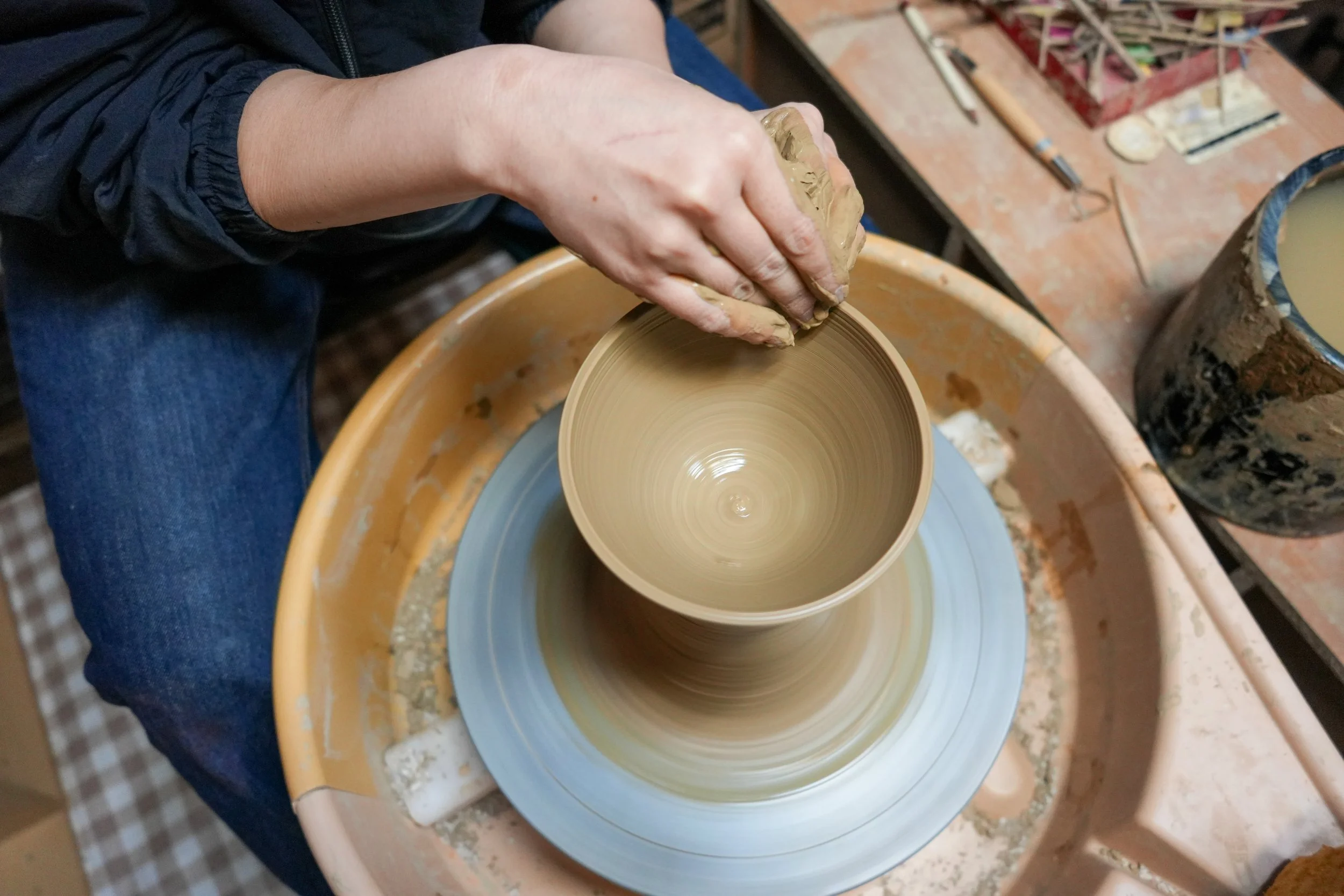
伝統的建造物群保存地区から歩いて10分程度のところに陶芸家・市野麻由子さんのアトリエ兼ショップ『麻ノ窯』はある。大きなトタン屋根が特徴的な古民家平屋で、成形から本焼きまでの陶芸制作を一貫して行う。陶芸家にとっての丹波篠山は、「歴史ある焼き物の産地だからこその陶芸に対する地域の理解や支援があり、活動しやすい環境が整っている事がとても有難い」のだそうだ。有田、備前、瀬戸、信楽焼など日本には様々な焼き物の産地があるが、丹波焼の特徴とは?市野さんによると「鉄分の多い赤土を使用している為、焼くと茶色くなること」で、その歴史を継承しながらも「時代に合わせて作られるものも変化し、現在は日常生活で使われるうつわなどが多く作られていて、色や形もカラフルでモダンなものになってきています。」とのこと。彼女も日常使いのうつわを中心に作陶。
祖父・父、そして大学での出会い
1968年に市野さんの祖父・省三さんが始めた『省三窯』が彼女のルーツで、幼少期から祖父・父と作陶している姿が身近にあったそう。大学で本格的に陶芸を学び、在学中には、彼女が大きく影響を受けた出会いもあった。当時、教鞭をとりながら自身の作家活動もしていた工芸展での受賞歴も多数の陶芸家・久保田厚子の存在だ。「エネルギッシュで常に真っ直ぐ、自分の信念を貫き通す姿が怖いけどかっこいい人です。デザインの考え方や美的感覚など、何も知らなかった大学時代にとても影響を受け、今でも自分の中に残っています。」と語ってくれた。
自らの道を切り開く
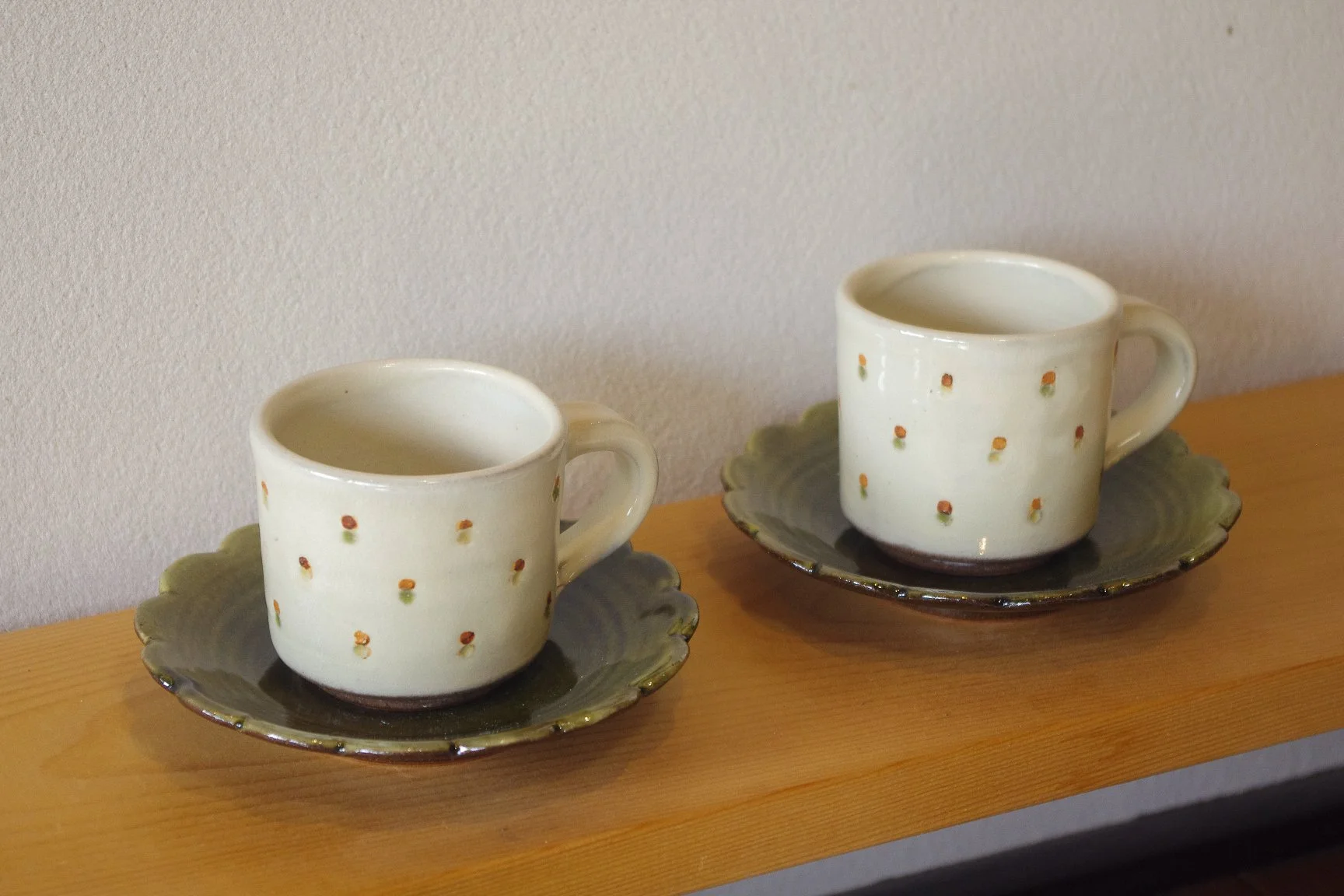
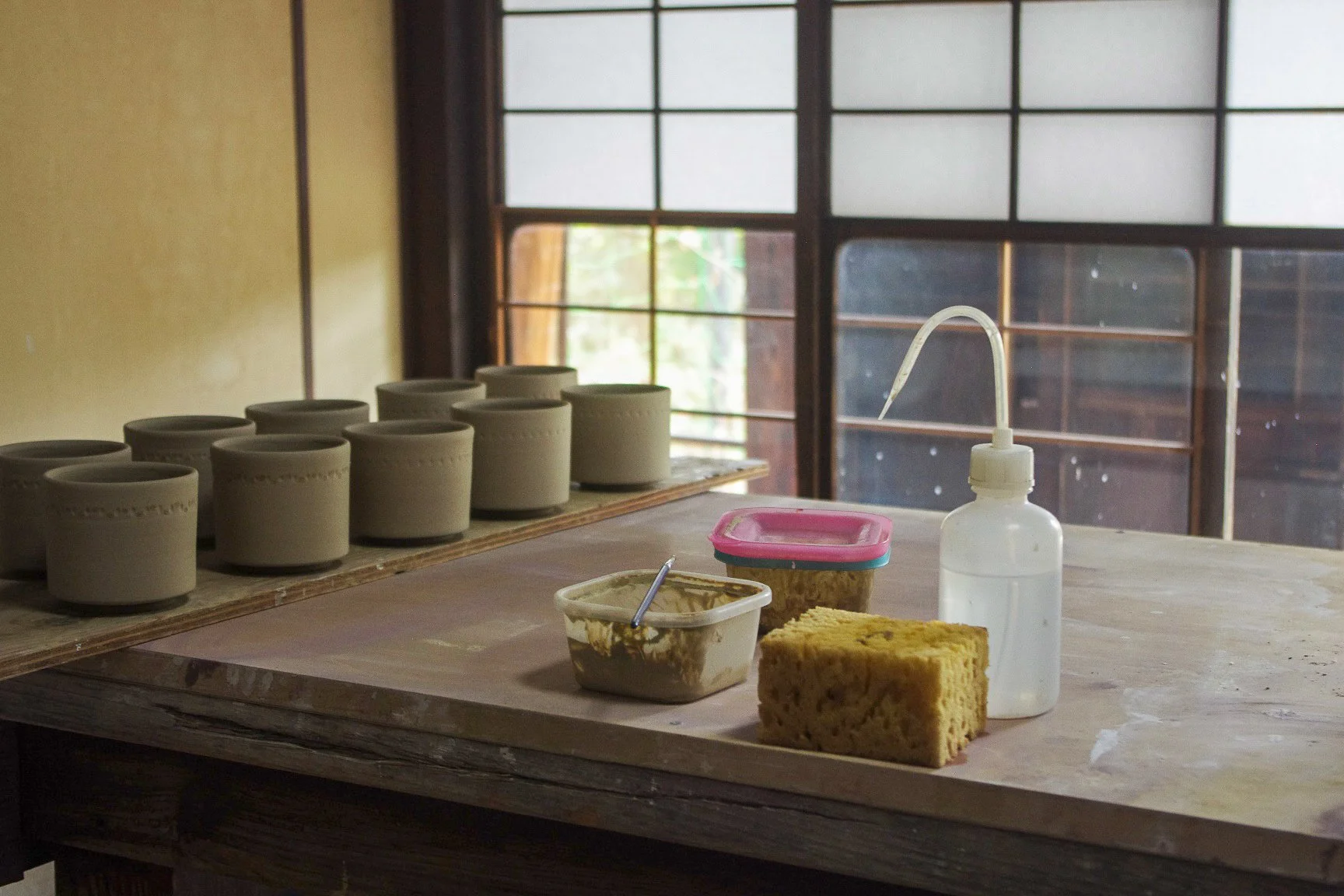
市野さんの作品の特徴は、様々な色の*釉薬(ゆうやく/うわぐすり)と泥を点で並べて器に装飾しているところ。細やかな表現なだけに、たまに思いついた形をメモする程度で、作陶に入る前にデザインのスケッチはしないというから驚く。そのデザインへのこだわりは「"可愛すぎ"にならない」こと。「基本は可愛いから入りつつも、ちょっと外してみたり、キレイめにしてみたり。形と装飾がチグハグにならず、違和感なくまとまるように意識」しているという。そしてインスピレーションの源は、身の回りの景色や生き物などの自然。与えられた自身の環境を最大限味方につけ、作品に落とし込んでいる。陶芸をする喜びと苦労は表裏一体で、うまく焼けた喜びもあれば、思った通りに焼けなかった時の苦労もまた面白さ。土、空気、温度、水分、熱とさまざまな要素を考慮しながら自身が目標とする形へと作り上げていく陶芸というアート表現の奥深さを感じずにはいられない。市野さんも好きだと挙げた陶芸作家の一人、河井寛次郎は「美は追ひかけるから逃げ出す。」と説いたことを思い出す。簡単には掴みきれない理想ほど、自信を作陶へと奮い立たせるものはないのだろう。
生活の一部を作る
夢は「国内海外問わず広く活動すること。純粋な気持ちで自分の作りたいものをしっかり作り、それが日本でも世界でもいろんな場所で気に入って貰えたら嬉しいです。」と語ってくれた。最後に、『陶芸家』を定義してもらった。
「『生活の一部を作る人。』食器でも花瓶でも、使う人の身の回りのいつもそばにあるものを作る事が多いです。しかも割れて粉々にならない限りずっと残るものなので、本当に作品が誰かの生活の一部になっているなと思います。」
私の家でも朝食の食器は麻ノ窯で購入させていただいたものを使っている。コーヒーに使用しているマグカップは、通常コーヒーカップとしてお店で出されるものより一回り小さいサイズ感が私の中では気に入っている。コーヒーサーバーからカップに注ぐ行為も好きで、何回か繰り返せる時間をくれるのがいいのだ。お皿も手のひらサイズのパンやパウンドケーキを載せるのにちょうどいい。
手仕事が生活の一部になっているという感覚は、何気ない時間を確実に豊かにしてくれる。彼女のうつくしい手仕事は、これからも丹波焼の歴史をつむぎ、誰かのときを共に刻んでいく。
市野さんの作品は麻ノ窯で購入可能。また、全国各地のイベントへも出展。最新情報は麻ノ窯のインスタグラムからチェック。
麻ノ窯 Info
住所 669-2324 兵庫県丹波篠山東新町109-1
インスタグラム https://www.instagram.com/asanogama/
参考文献
「いのちの窓」河井寛次郎 東方出版 2007年
*釉薬(ゆうやく/うわぐすり)ー 陶器にガラス質の膜を張るために鉱物の粉末を水に溶かしたもの。光沢や色を加える美的な側面と、強度をあげ水漏れや汚れを防ぐ効果もある。
Tamba-Sasayama, home to pottery artists
Located in the middle of Hyogo prefecture, Tamba-Sasayama used to be a flourished castle town. Sasayama Castle, built by the order of the Shogun Ieyasu Tokugawa, still remains as Sasayama Castle Ruins, which is a National Historic Site, along with Preservation District for Groups of Traditional Buildings where Samurai districts and merchant houses from Edo period still stand.
Thanks to those historic sites, tourism is quite popular. There are new cafes, restaurants and hotels that have settled on renovated old houses. The region is also one of the most sought after destinations among people who want to move their homes close to nature while remaining in proximity to bigger urban areas like Osaka and Kobe.
But there is another layer to it’s history. Tamba-Sasayama has an 850-year-old tradition of pottery making known as Tamba-yaki pottery, and is now home to about 60 pottery studios.
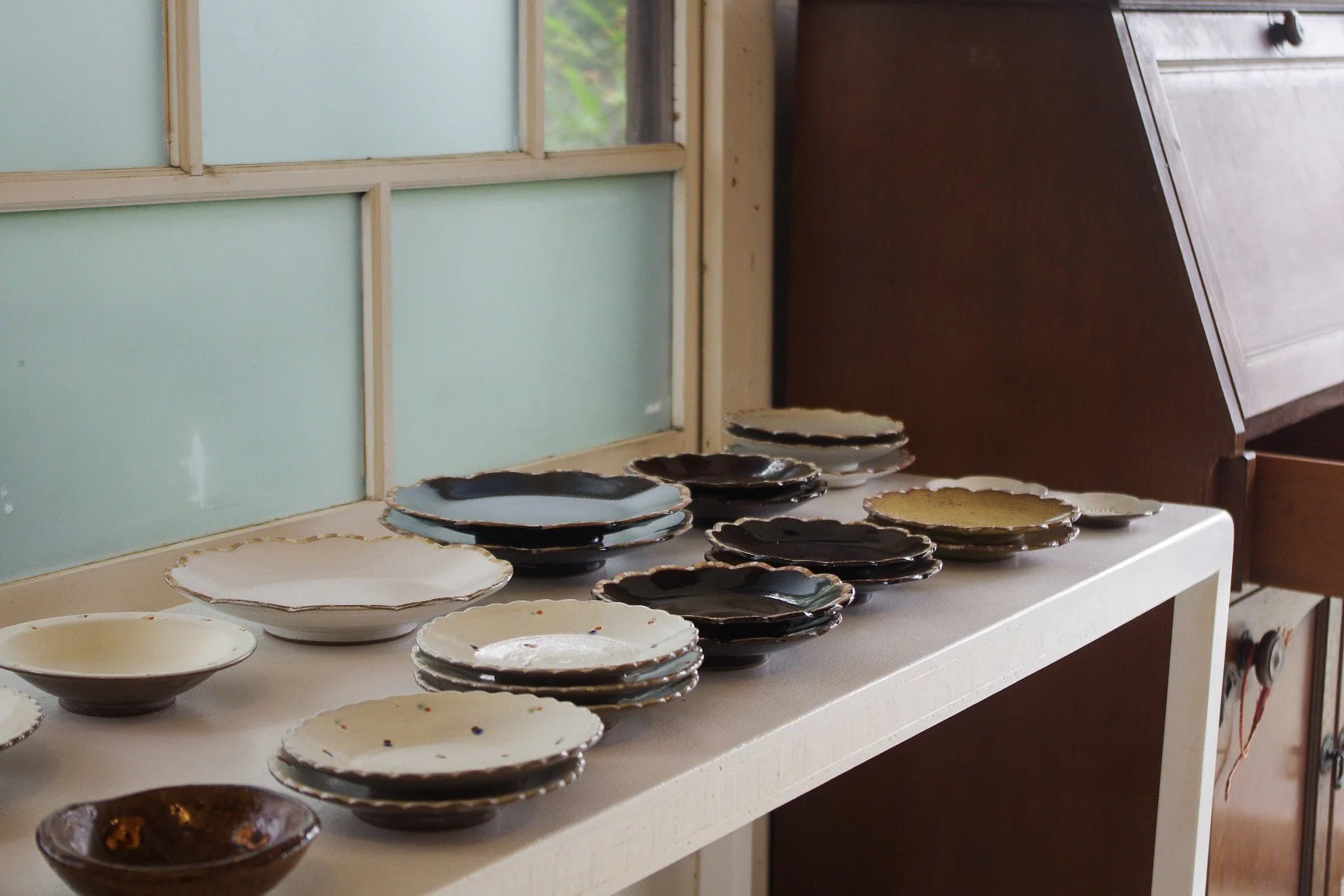
One of which belongs to potter, Mayuko Ichino, who has her atelier and shop Asanogama around a 10 minute walk from the Preservation District. It is a traditional single-story house characterized by its large tin roof where she produces her works from start to finish. She tells me “The region has a lot of understanding and support towards pottery-making thanks to its long tradition, and I am grateful that the environment makes my work easier.”
In Japan, there are several regions that developed their own signature pottery traditions—Arita, Bizen, Seto, Shigaraki-yaki to name a few. So, what are the special characteristics of Tamba-yaki?
“We’re using red soil that is rich in iron and turn its color into blown once its fired. ” While passing on its rich history from generation to generation, as Mayuko explains, “Pottery design has been changing depending on the era, and there are many artists produces dishware for daily life nowadays, and so as my work. The color and shape are also becoming more colorful and modern. ”
Her grandfather, father and her mentor
Mayuko’s grandfather, Shozo Ichino, started his own studio called Shozo Gama. She grew up watching Shozo and her father producing pottery. After entering the university, she started learning pottery making at full-scale, that’s where she also met her mentor, award-winning ceramist Atsuko Kubota, who was teaching while pursuing her own successful artistic career.
“My teacher was full of energy and a straightforward person who always stood by her principles. She was intimidating but was so cool. Back in university, when I knew nothing about design philosophy or aesthetics, her influence made a profound impact on me that still shapes who I am today. ”
Carving out her own path
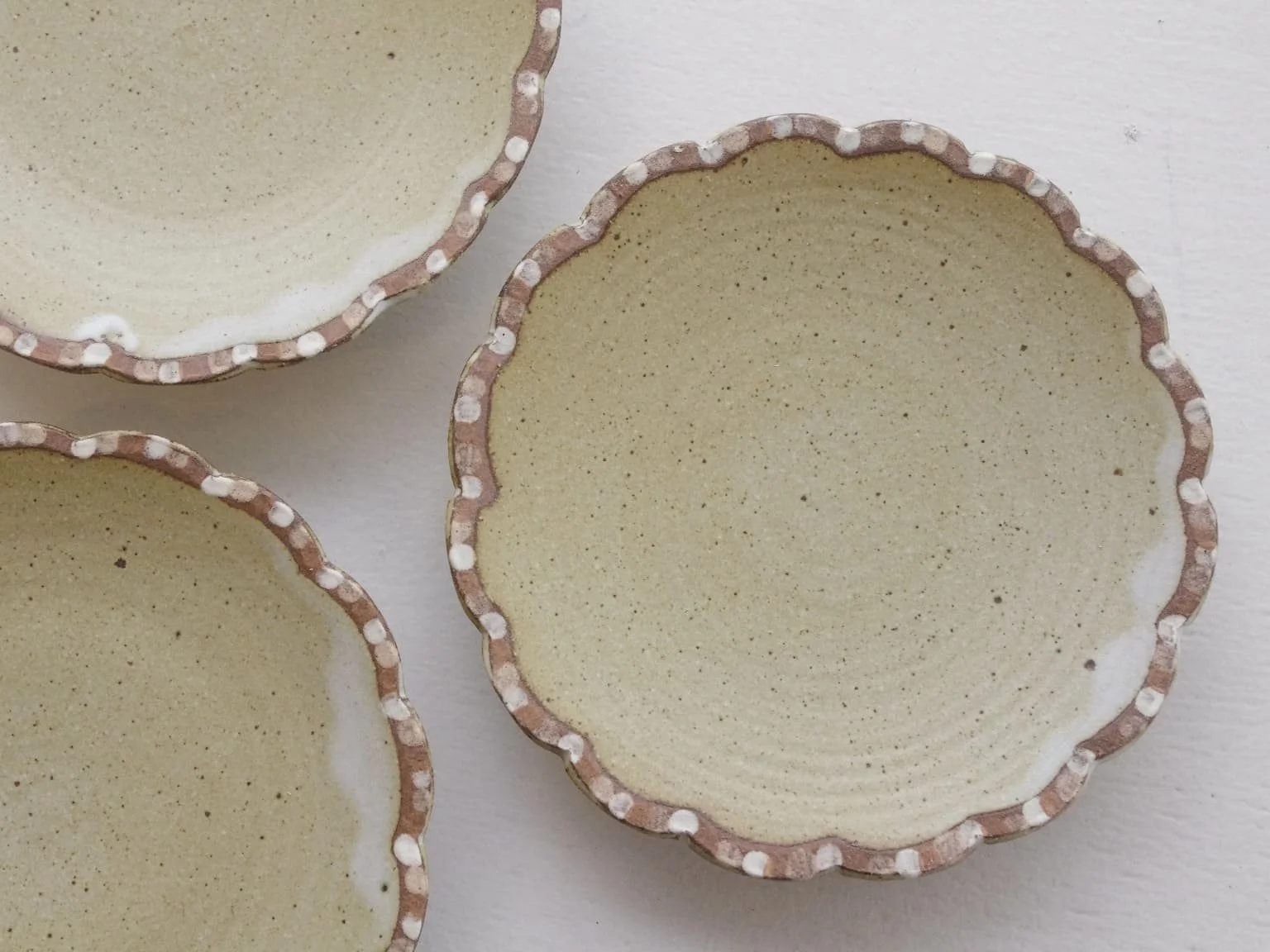
The signature style of Mayuko’s pottery consists of applying different colors of glazes and slips side by side to create a unique design. Seeing how detailed her designs are, it is surprising to know that she doesn’t draw sketches before producing her work except for making some notes of designs occasionally.
The surrounding nature and animals are her design inspiration. By leveraging her environment to the fullest, she’s channeling them directly into her work. Joy and hardship are two sides of the same coin for the potter. “I feel the happiest when pottery turned out well, but, on the other hand, it is also an interesting part for me when it didn’t turn out as I hoped.”
To craft an ideal form, while also considering multiple elements like clay, air, temperature, water and heat, reveals the extraordinary depth and complexity in the art of pottery making. I’m reminded of a quote by well-known pottery artist, Kanjiro Kawai, who Mayuko also mentions as one of her favorites, that goes “Beauty runs away when its being chased. ” There is surely no greater catalyst for creating pottery than an ideal that cannot easily be grasped.
Crafting a part of everyday life
After hearing about Mayuko‘s mentor and her grandfather who established his own studio, I was curious about how she hopes her future path will unfold. “My dream is to work without boarders around the world. I’d love if my creations become somebody’s favorite anywhere in the world while being true to myself and crafting what I want to make.”
Lastly, I asked her to define the role of a Potter.
“Pottery crafts a part of everyday life. We often create pottery that is meant to be used and kept close to its owner, whether tableware or flower vase. They remain forever unless they are shattered. So I truly think that our work become a part of somebody’s life. ”
Several of dishware from Asanogama also decorate our table. The mug is slightly smaller than usual coffee cup, which I prefer, as it gives me a few extra quiet moments every time I refill it from the server. Dishes also fit perfectly for palm-size bread or poundcake.
The sense of handcraft being a part of life makes our life fuller without doubt. Mayuko’s fine craftsmanship carries forward the rich legacy of Tamba-yaki, quietly sharing the moment of everyday life.
Mayuko’s pieces can be purchased at her shop Asanogama and also pop-ups around Japan. Check out her latest info on her Instagram.
Asanogama Info
Address 109-1, Higashi-shinmachi, Tamba-sasayama, Hyogo, Japan 669-2324
Instagram https://www.instagram.com/asanogama/
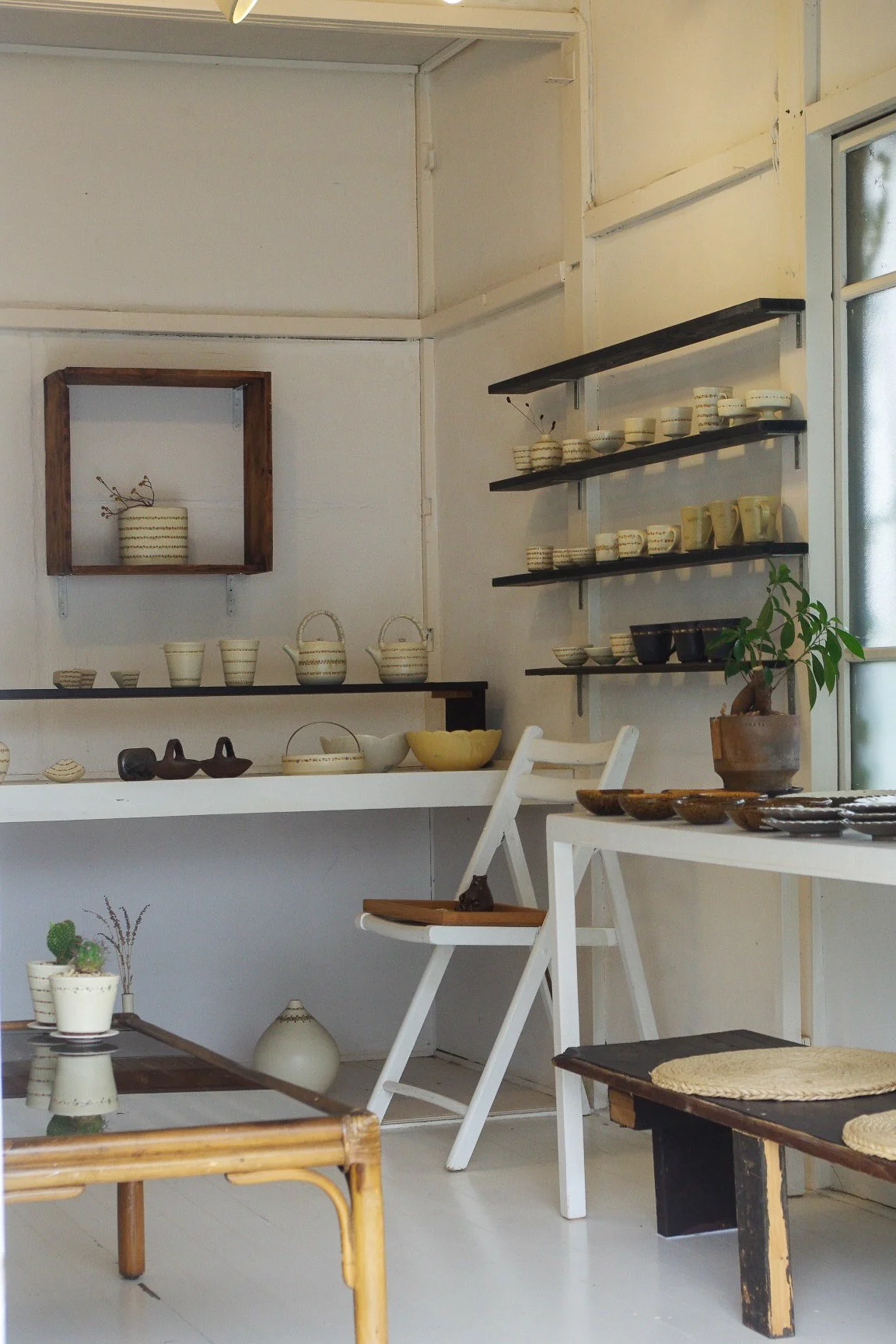
Asanogama Shop