(Book Review) Deep River - 深い河
*Spoiler alert (ネタバレあります)
一気読みできる読みやすさ
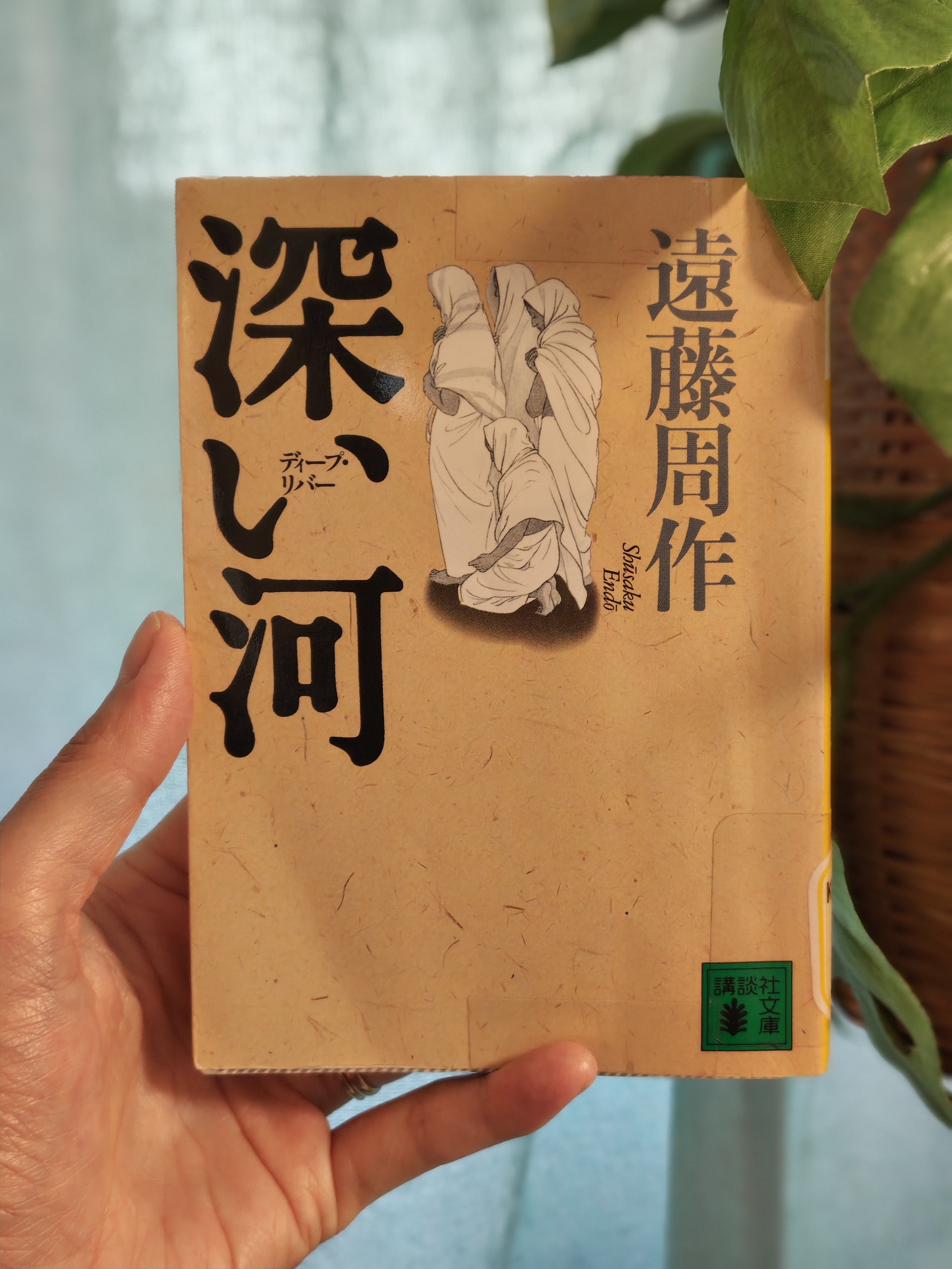
カトリックの洗礼を受けたキリスト教作家・遠藤周作の晩年の作品。日本人の目から見た宗教への視点への興味から読んでみた。読みにくいんじゃと思っていたが、ページを捲る手はとまらなかった。様々な登場人物からの視点が章ごとに分けられ、インドという目的地についてからはそれぞれの思いと場所とが入り混じりストーリーを推し進めていく。それぞれの悩みや苦労を抱えた人たちが、ある特定の場所に向かい、それぞれが追い求めたものがどう帰結するのか、知りたい気持ちのまま読み切れる。
宗教への関心の発端
そもそも、宗教へと意識が向いたのは、海外に出てからだった。日本は神道じゃない?と聞かれ、私は神道信者というものなのか、という何となく腑に落ちない感覚に陥ったのが一つ。神道を恥じる訳ではないし、好き嫌いの強い感情もない。正直なところ、そのような感情を持てるほど知らないのだ。私はagnostic(不可知論者)という言葉を使ったりもした。それと同時に、あなたはこのグループ、と括られることへの漠然とした抵抗感もあるのかもしれない。それ以来、宗教というコンセプトに出くわすと心に引っかかりを感じ、意識するようになった。そして、私のパートナーがカトリックというのも、宗教が意識の表層へ場所を取っている一つ。さらに言えば、2026年の今は、アメリカの熱狂的な共和党支持者のキリスト教福音派の存在もあるかもしれない。
「玉ねぎ」という存在
宗教と聞くと、ネガティブな印象の方が強いのは否定できない。宗教は平和のためにある、と漠然と考えていただけに、宗教に端を発する、他を傷つけることを厭わない排他的で過激な思想や行動にぶつかる度、彼らの信じる人智を超えた存在を疑問に思っていた。登場人物の一人、美津子は、憎しみがくすぶり、戦争のやまぬ世界を思い「玉ねぎ(神のこと。ある時点から美津子は神を「玉ねぎ」呼びするのが少し面白い。)が今、生きていたとして、この憎しみの世界には何の役にもたたない」(p.339)と考える。神がいるならば、なぜ憎しみの連鎖を断ち切らない?戦争を止めない?病気を治さない?「人間の連帯は愛ではなく共通の敵を作ることで可能になる。」(p.316)という美津子の考えにも思わず頷かざるを得ない。インターネット時代のヘイトスピーチの拡がりがその一例だろう。彼らの声は大きい。文字面でもこちらに向かって唾を飛ばしながら叫んでいるようだからだ。イスラエルとアメリカが仕掛けたイランへの戦争もそうだ。そこにはキリスト教福音派の存在が見えてくるのだ。(これについては時事ドットコムの記事が完結で分かりやすい)
ただ、本当は「人間の連帯は共通の敵を作ることではなく、愛で可能になる。」を信じたい。美津子の対局にいるの大津は、このフレーズを信じていると言っていい。
集団は個のかたまり
大津はカトリックの家に生まれ信仰を胸に育ってきた。対話は「神はいくつもの顔を持たれ、それぞれの宗教にも隠れておられる(p.198)」と考え、汎神論/pantheismで異端的だとキリスト教会では批判されるものの、神が自分を離さないと改宗する気はない。同じ神を崇めながらも、信仰の仕方の違いで行く先々の神父から受け入れられず、彼は孤独だと感じていた。イエスならば受け入れてくださるはずなのにと。神は愛そのものだから。
ここに宗教の矛盾を見る。神は人々を分け隔てなく愛し手を差し伸べた。だが、信仰する人によって、そして聖書の読み方、訳し方によって自己の都合の良いように解釈が変わっていく。それはなぜか。
同じキリスト教という宗教、と大きく括られたカテゴリーで見るとその中で解釈の違いが生まれてくるのに疑問を抱く。ただ、それは、集団は個によって形成されるという当たり前の事実を見落としているのだろう。同じ日本人という人種、といえど全く同じ教育を受け、全く同じ財政環境で育った人はおらず、全く同じ思考の個々で形成された集団ではないように。
力やステータスを持つものが信仰する宗教と、持たざる者が信仰する宗教は同じではない。男性、女性と無性、イタリア人とスペイン人、あなたと隣人が共有すると考える宗教は同じではないのだ。
そういった意味では、大津が孤独を感じるのも無理もない。そして、美津子もまた孤独だった。他者を本当の意味で愛せないと考えている。自分の中に何かが欠けていると知っているからこそ、自分も愛せない。そんな美津子の前に現れた大津に、美津子は執着していく。美津子にないものを持っていると少なからず感じているのだろう。それを認めたくない美津子は、嫌味を言う。大津から神を取り上げる優越感に浸る。ただ、神は大津を突き放さず、大津は孤独の中でも唯一自分を見捨てない神と共に進んでいく。大津との交わりの中で美津子の心境も深い部分で変化していく。
転生する「玉ねぎ」
他の登場人物には、臨終、生まれ変わるから私を探して、といった妻の言葉に突き動かされ、インドまでやってきた磯部という男性がいた。結局、生まれ変わりには出会えなかったのだが、そんな磯部に、最後、美津子は少なくとも奥さんは磯部の中に転生しているという。行間には美津子の偽善的な部分は見えない。嘘もない。自然と出た言葉と取れた。彼女は今、自分の中に欠けたものが、絹のように柔らかいもので覆われ癒されていることに気づいているだろうか。「うつむいた背中はこみ上げる悲しみを体全体で、いや人生全体で怺えているように見えた。」(p.349)とある。彼女の言葉は磯部を生かすだろう。自分の外に生まれ変わった妻を探していた磯部に、妻は常に磯部の中で生きていることを指し示したのだから。それは神が人々の心に転生し2000年もの間生きているように。
大津もいずれ美津子の中に転生するのだろう。玉ねぎを引き連れて。
「玉ねぎ」は戦争を止めない
遠藤周作のキリスト教作家というタイトルに興味を惹かれた反面、正直少し構えていたのは否定できない。凝り固まった排他的な教えを説くものではありませんようにと。大津を通して挿入される遠藤の宗教観は、そんな心配は無用の柔軟性を持っていた。神は弱った心に寄り添い、手を差し伸べ、すべてを受け止める。それ以上でも以下でもない。そんな同伴者がいることで、どんな状況でも歩みを進めることが出来る。遠藤の視点はやはり少し東洋の宗教的でもあるように感じる。高みにいて崇拝する絶対神というよりは、内に生きる神。
彼は戦争を止めない。飢餓を無くさない。ただ、戦争の渦中にいる人々に祈りを与え、出来るだけの食糧をトラックに積み込み、飢えに苦しむ人々の元へ車を走らせる彼らの心に住まう。
宗教を否定する気はないが、特定の人智を超えた存在を信仰し、人生の中心に据えようという気もない。ただ、遠藤が描く宗教の世界は1+1=2の世界ではないと教えてくれる。そんな遠藤を異端と感じる人もいたかもしれない。ただ、神はそんな彼を見捨てることはなかった。それが真実だろう。
Unexpected page-turner
Deep River is a book written by a Japanese Christian, Endo Shusaku, in his late life who was baptized as a Catholic. I was curious about Japanese perspective towards religions. At first, I was having a thought that this book might be difficult to read, but that was an unnecessary worry. It starts with several sections that are being dedicated to stories for each individual, then their pasts and their current experiences in India gradually mix together and push the story forward. I finished the book while feeling eager to know how the story ends after people are chasing something to find in the same destination.
My interest in religion
After going abroad, religions surge into my consciousness. ”Japan is Shinto, right?” I was feeling weird to think that I believe in Shinto. Neither embarrassed by Shinto nor having a strong emotion towards the religion. To be truthful, I don’t know about it so much so that I could have a strong feeling towards it. To escape from it, sometimes I used the word agnostic. At the same time, I might feel repelling being categorized into a certain group. Since then, whenever I come across a religion, I cannot help but being conscious about the concept. My partner also plays a big role as she grew up in a Catholic family. Furthermore, the fact that the evangelists in the US who are strong supporters of the Republicans are changing the world order might be scaring me.
The existence of Onion
When I hear ‘religion‘, I cannot deny that I have rather a negative impression. Thinking that religion is for peace, I question the holy being when I come across extreme thoughts and actions that don’t mind hurting others and are cliquey that born out of religious beliefs. One of the protagonists, Mitsuko, thinks “Even if the Onion(from one point, she starts referring Jesus as Onion) would still alive in the current time, he would’ve being in no use in the world full of hatred.” while thinking about the world where the wars never end and hatred are boiling anywhere. If there was Jesus, why doesn’t he cut the chain reaction of hates, why doesn’t he stop the wars, why doesn’t he cure the illnesses? I cannot help but nodding to her following thoughts “Human only unite by having a common enemy instead of love.” One example is hate speech on the Internet. Their voice is loud. Even when its written, I can read it feels like whoever wrote is screaming while spitting. Its also true for the Iran war that Israel and the US started. And you can see the Evangelists are also pulling the strings.
However, I’d like to believe in “Human only unite by love instead of having a common enemy.“ Otsu, another protagonist, who has opposite personality to Mitsuko believes in this phrase.
A collective is being formed by individuals
Otsu was born in a Catholic household and grew up believing in Jesus. His thought towards dialogue that he thinks it starts out believing in “God has myriad of faces and is also hidden in other religions“ was criticized that its pantheism and heretic, yet he stays in the religion saying that the God doesn’t let him go. Though they believe in the same God, Otsu wasn’t accepted by other priests because of the unusual way to believe in God. He thinks that Jesus would’ve accepted him since He is the love itself.
I see the contradiction in the religion. God supposedly gave his hands to people without discriminating. However, His telling alters depending on the person, how they read the bible and how its translated. Why would that be?
The why comes from the understanding that we categorize people who believe in God in the same religion, Christians. However, I can tell that it lacks a perspective that the collective is being formed by individuals. You say you are Japanese as a race, but none of the people had the exact same education nor growing up in the same financial environment, and the collective hasn’t been and won’t ever be formed by people who think exact the same way.
The religion that people who have power and status believes and the religion who doesn’t have those believes are not the same. A religion that Male, female and non-binary, Italians and Spanish, you and your neighbours think they share is never be the same.
Therefore, it might be unavoidable for Otsu to feel loneliness. Mitsuko also shares the same feeling. She thinks she cannot love others in a true sense. Since she thinks something lacks within her, she cannot love herself either. Then her obsession towards Otsu starts. Perhaps she subconsciously knows that he has something that she doesn’t have. But she throws words to him that hurt him as if she holds back her true feeling. She basks in a sense of superiority by taking the God away from him at one point. Yet, He never pushes him away and he steps forward along with Him who never abandons him. Through her interaction with Otsu, her state of mind undergoes a profound change.
Onion’s reincarnation
Among the other characters is a man named Isobe, who was driven to travel to India by his dying wife’s final words: 'I will be reborn, so please find me.' In the end, his attempts failed but Mitsuko tells him that his wife reincarnates within him. I didn’t read any hypocritical sense nor lies between the lines. It was true to her feeling. I wonder if she realizes the part she feels its lacking is covering up by a tender, silk like thin layer and started being healed. The story then goes “His slouched back looked as if he were holding back a surge of grief with his entire body—no, with his entire life.“ Her words will stay him alive. It showed him who was trying to find his late wife outside that she always lives within him. Just like God has been living over 2000 years by being reincarnated in people’s mind.
Otsu will reincarnate within Mitsuko eventually. Along with the Onion.
Onion doesn’t stop the war
While I was drawn to Shusaku Endo’s title as a "Christian author," I cannot deny that I was initially a bit on guard. I found myself hoping it wouldn't preach a rigid, exclusive dogma. However, Endo's religious worldview, introduced through the character of Otsu, possessed a flexibility that rendered such worries entirely pointless. God is someone who stays close to a weakened heart, reaches out a hand, and embraces everything. Nothing more, nothing less. Knowing that such a companion exists allows a person to keep moving forward, no matter the circumstances. I feel that Endo's perspective is, after all, somewhat characteristic of Eastern spirituality—viewing God not as an absolute deity to be worshipped from on high, but as a presence living within us.
He does not stop wars. He does not eradicate famine. Instead, He grants prayer to those caught in the midst of war, and dwells in the hearts of those who load whatever food they can into trucks and drive out to the starving.
I have no intention of rejecting religion, nor do I have any desire to worship a specific, transcendent being and make it the center of my life. Yet, Endo teaches us that the religious world he depicts is not one of simple logic, where one plus one always equals two. Some may have viewed him as a heretic. But God never abandoned him. That, surely, is the truth.